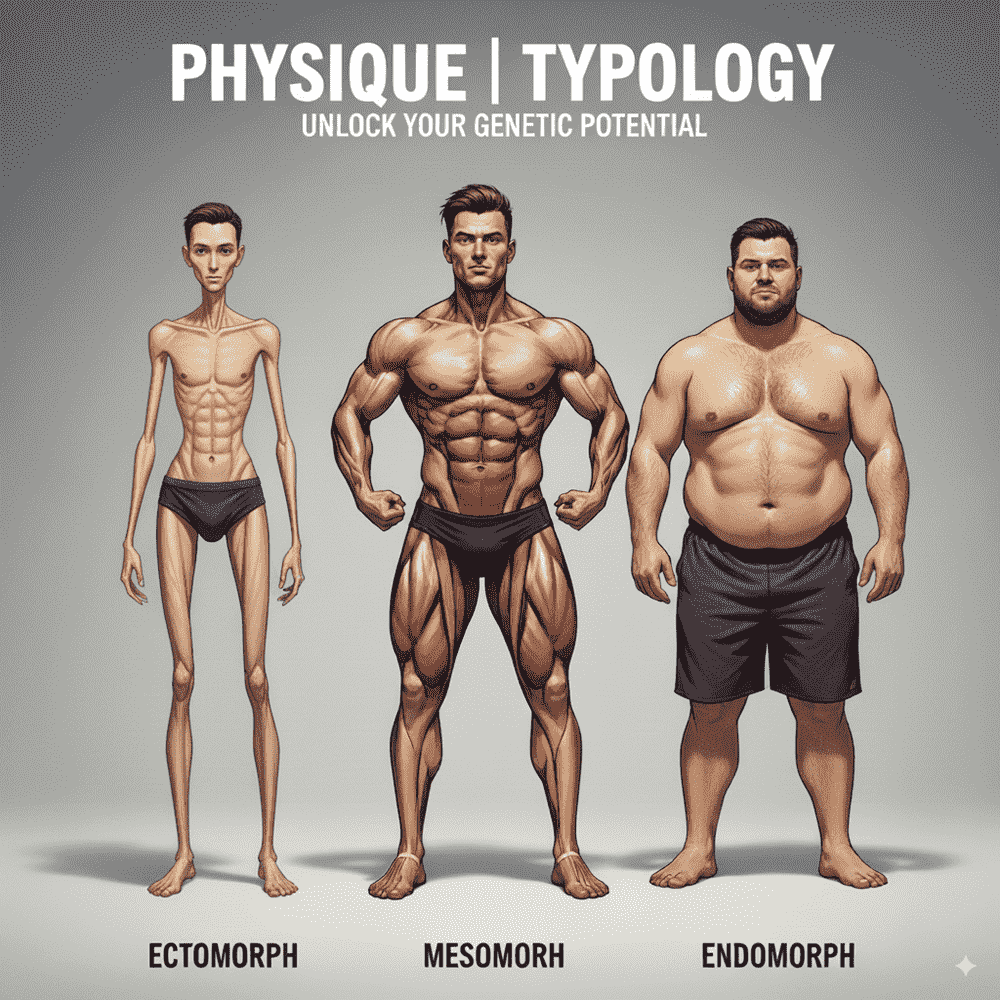
When it comes to fitness and nutrition, there is no such thing as a one-size-fits-all approach. Each individual has unique genetics, metabolism, and physical characteristics that influence how their body responds to training and diet. This is where the concept of human body types comes into play. First introduced by psychologist William Sheldon in the 1940s, body types — ectomorph, mesomorph, and endomorph — provide a framework for understanding how people gain muscle, store fat, and perform physically. While few people fit perfectly into just one category, identifying your dominant type can help you tailor your workout and nutrition strategies more effectively.
What Are the Three Main Human Body Types?
1. Ectomorph: The Naturally Slim Build
Ectomorphs are characterized by a lean and delicate frame, narrow shoulders, and long limbs. They usually have a fast metabolism, which makes gaining weight and muscle challenging. These individuals are often described as “hard gainers.” While ectomorphs may find it easier to stay lean, they need to pay close attention to building muscle mass through strength training and higher calorie intake.
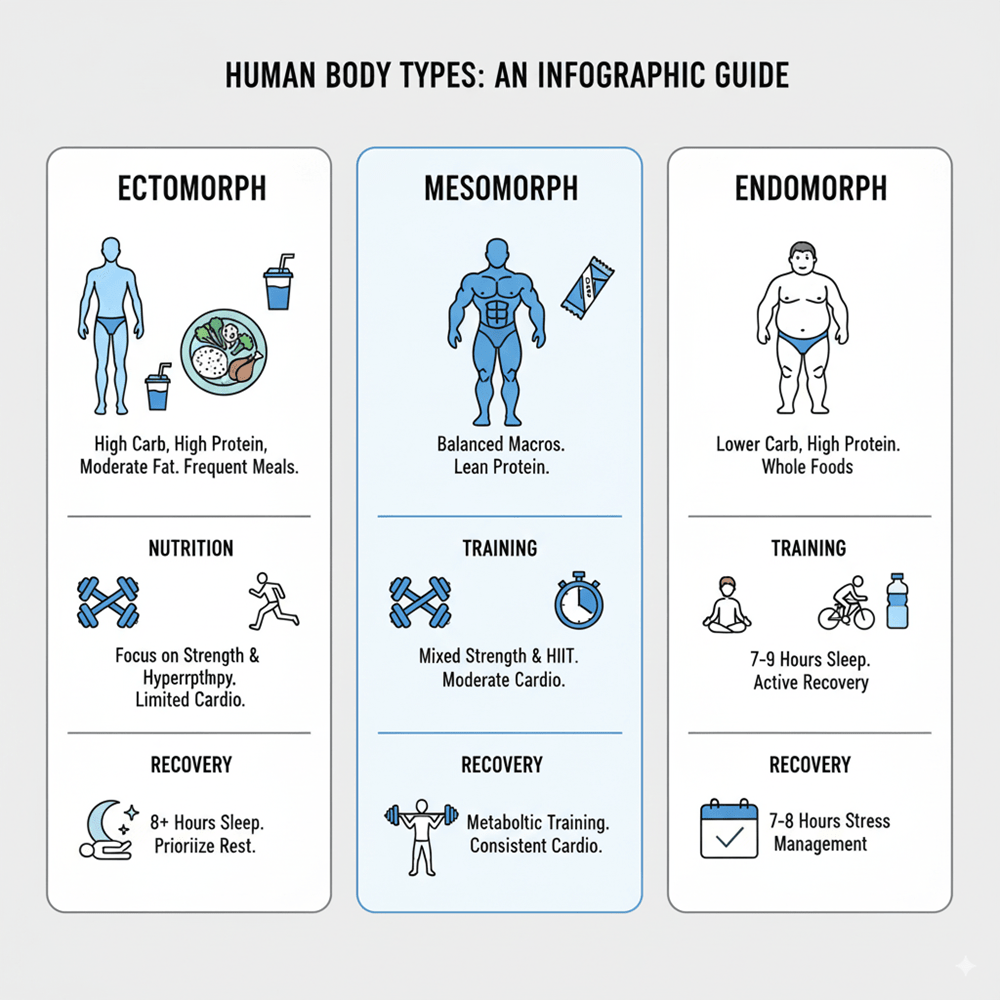
Training Tips for Ectomorphs: Focus on compound lifts like squats, deadlifts, and bench presses. Keep cardio minimal to conserve energy for muscle growth. Aim for progressive overload with consistent strength training, as discussed in our guide on progressive overload techniques.
Nutrition Tips for Ectomorphs: Increase caloric intake with nutrient-dense foods like whole grains, lean protein, nuts, and healthy fats. Whey protein shakes can be particularly helpful for meeting daily protein goals. Learn more in our article on the benefits of whey protein after workouts.
2. Mesomorph: The Athletic Build
Mesomorphs are naturally muscular with broad shoulders, a strong frame, and low to moderate body fat levels. They tend to build muscle and lose fat more easily compared to the other body types. Many athletes fall into this category due to their natural strength and balanced physique.
Training Tips for Mesomorphs: A mix of strength training and cardio yields the best results. Mesomorphs should vary their workouts with both hypertrophy (muscle growth) and strength-focused programs. Interval training and HIIT are also effective to maintain a lean physique without losing muscle mass.
Nutrition Tips for Mesomorphs: A balanced diet with moderate carbs, proteins, and healthy fats works well. Timing carbohydrate intake around workouts can optimize performance and recovery.
3. Endomorph: The Naturally Broad Build
Endomorphs have a wider frame, shorter limbs, and higher tendencies to store body fat. They often struggle with fat loss and need to be more mindful about calorie intake. However, endomorphs usually have good strength potential and can build muscle effectively.
Training Tips for Endomorphs: Incorporate strength training alongside consistent cardiovascular exercise. Endomorphs respond well to a mix of resistance training and higher-intensity cardio like HIIT. Weight training 3–4 times per week combined with regular cardio sessions can improve body composition.
Nutrition Tips for Endomorphs: Focus on a controlled-calorie diet rich in lean protein, fiber-rich vegetables, and healthy fats. Limiting refined carbs and processed foods can help manage fat storage. Endomorphs may benefit from intermittent fasting or carb cycling strategies for weight management.
Do These Body Types Still Matter Today?
Modern science suggests that most people are a blend of body types rather than a strict category. While Sheldon’s classification system has been criticized for being too simplistic, it remains a useful tool for understanding individual differences in metabolism and physical potential. A 2019 review published in Frontiers in Physiology emphasized that while genetic predispositions matter, lifestyle choices, diet, and training play a much bigger role in shaping body composition (Frontiers in Physiology).
Tailoring Training and Nutrition to Your Body Type
Regardless of your dominant body type, the principles of good health remain the same: a balanced diet, regular exercise, and adequate recovery. However, knowing your tendencies can help you make smarter decisions:
- Ectomorphs: Eat more frequently, lift heavy, and keep cardio light.
- Mesomorphs: Balance strength and cardio for long-term performance.
- Endomorphs: Prioritize fat loss through calorie control and cardio while maintaining muscle with resistance training.
Supplements and Body Types
While supplements are not body-type specific, some can be particularly useful depending on your goals:
- Ectomorphs: Whey protein and creatine can help with muscle gain.
- Mesomorphs: Multivitamins and omega-3s support overall performance.
- Endomorphs: Green tea extract and fiber supplements may support fat metabolism and satiety. Always check scientific resources like Examine.com for evidence-based supplement guidance.
Body Types and Fitness Goals
When setting goals like body recomposition (losing fat and building muscle simultaneously), understanding your body type can help you set realistic expectations. For instance, an ectomorph aiming for rapid muscle gain will need a very different strategy compared to an endomorph focusing on fat loss. You can learn more about this in our detailed guide on body recomposition.
Final Thoughts
Human body types provide a useful framework for understanding how individuals respond to exercise and nutrition. While the categories of ectomorph, mesomorph, and endomorph are not absolute, they can serve as a starting point for creating personalized fitness plans. Ultimately, your consistency in training, diet, and recovery will matter far more than your genetic predisposition. By aligning your fitness strategies with your body’s natural tendencies, you can maximize progress, improve health, and achieve the results you want.