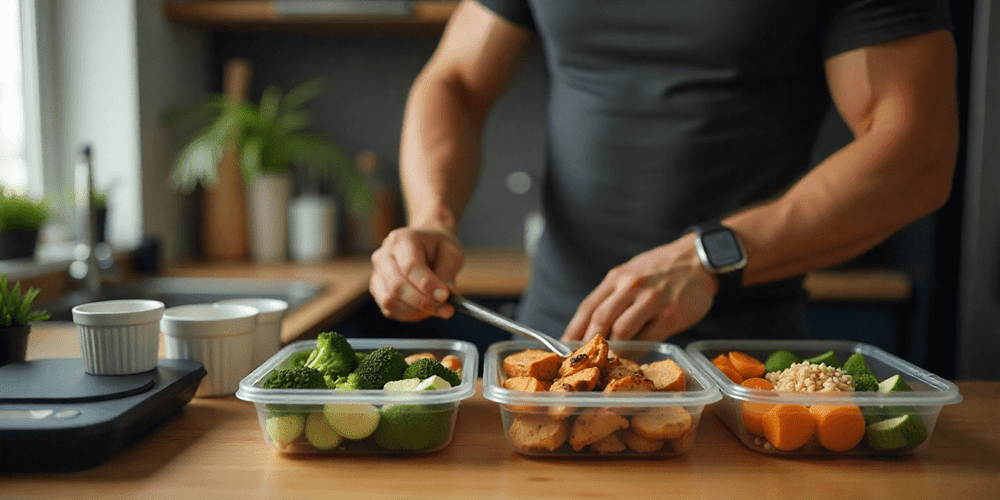
When it comes to staying on track with your fitness goals, few strategies are as powerful as consistent meal prep. Whether you’re aiming to lose fat, build muscle, or simply eat healthier, prepping meals in advance saves time, reduces decision fatigue, and keeps you accountable. However, even with the best intentions, many people make common meal prep mistakes that actually hinder progress. In this article, we’ll explore the top pitfalls to avoid and share meal prep tips for fitness that will supercharge your results.
1. Not Planning According to Your Fitness Goals
One of the most common errors is prepping meals without aligning them with your actual fitness goals. Whether you’re pursuing a calorie deficit for weight loss or a surplus for muscle gain, your meals should reflect your macronutrient and calorie needs. If you’re not tracking what you’re eating, you’re likely either undereating or overfueling.
If you’re not sure how many calories you need, check out our BMI and Calorie Deficit Calculator to set personalized targets based on your body type and activity level.
2. Skipping Macronutrient Balance
Many people fall into the trap of making meals that are too high in carbs or protein but low in healthy fats and fiber. A proper meal for fitness should include:
- Lean protein (chicken, fish, tofu, eggs)
- Complex carbs (brown rice, oats, sweet potatoes)
- Healthy fats (avocado, olive oil, nuts)
- Vegetables (broccoli, spinach, bell peppers)
Ignoring this balance can lead to energy crashes, cravings, or poor muscle recovery. Use a macro tracker app like Cronometer to help structure your portions accordingly.
3. Overcomplicating the Process
Meal prep doesn’t have to be fancy. One big mistake is trying to prepare 10 different recipes for the week, which leads to burnout and inconsistency. Instead, simplify the process by choosing 2–3 go-to proteins, carbs, and vegetables and rotating seasonings to keep things fresh.
💡 Pro Tip: Stick with easy recipes like grilled chicken with quinoa and roasted veggies or overnight oats with chia seeds and berries.
4. Not Using Proper Storage Containers
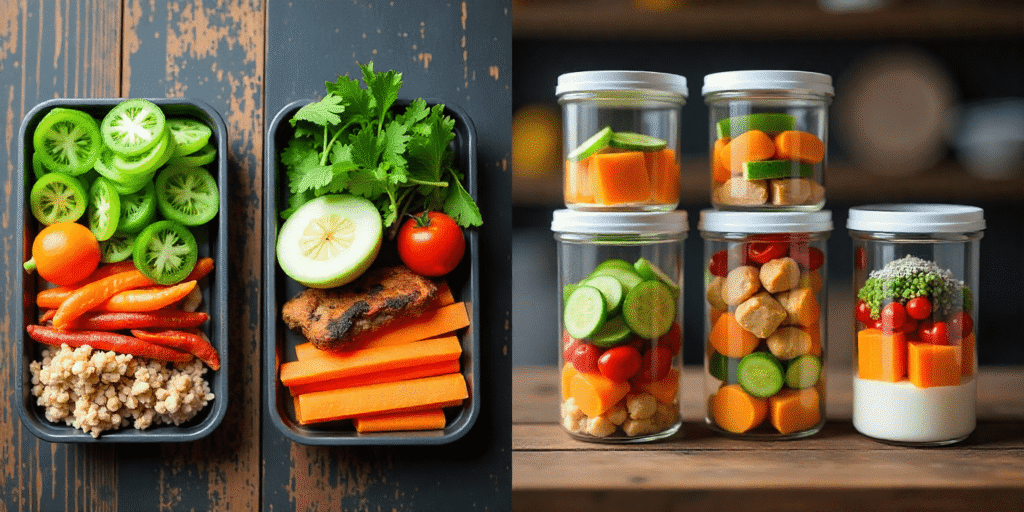
Meal prep can quickly become a disaster if your containers leak, break, or don’t keep food fresh. Invest in BPA-free, microwave-safe containers with tight-sealing lids. Use clear containers so you can see what’s inside and label them with the prep date to avoid eating spoiled food.
Avoid plastic wrap or single-use containers, which don’t keep meals fresh and are wasteful in the long run.
5. Prepping Too Far in Advance
While prepping meals ahead is smart, cooking food for the entire week on Sunday might mean eating food that’s not fresh by Friday. This can lead to food fatigue and skipped meals. A better approach is to prep twice a week—maybe Sunday and Wednesday—to keep meals fresh and appealing.
If you absolutely must prep for the entire week, consider freezing half the meals and defrosting them midweek.
6. Ignoring Portion Control
Even healthy meals can derail your progress if portions are too large. Using containers is not enough—you should measure ingredients using a kitchen scale or measuring cups. Guessing leads to underestimating calorie intake, especially with calorie-dense items like nut butters and oils.
Learn more about portion control in our article Nutrition for Strength Training, where we break down exact serving sizes for protein, carbs, and fats.
7. Not Prepping Snacks
One overlooked aspect of meal prep is healthy snacking. When hunger strikes between meals, you’re likely to reach for convenience snacks if you haven’t prepped anything. Stock your fridge with:
- Boiled eggs
- Greek yogurt
- Protein bars
- Mixed nuts in portioned bags
- Pre-cut fruits and vegetables
These quick bites can keep your metabolism active and help maintain stable blood sugar throughout the day.
8. Failing to Track What You Eat
If you’re meal prepping but not logging your food intake, you’re missing out on a huge opportunity to fine-tune your progress. Use fitness tracking tools like MyFitnessPal or Lose It! to monitor your macros and adjust future prep accordingly.
Tracking also helps identify trends—like meals that leave you overly full or still hungry—so you can optimize your prep strategy.
9. Repeating the Same Meals Every Week
While consistency is great, eating the same chicken and broccoli every day will eventually lead to boredom. Rotate your protein sources (e.g., turkey, fish, tofu), try different veggies, or switch up your spices. This keeps your taste buds happy and reduces the temptation to ditch your plan altogether.
Experiment with international seasonings—like curry, Cajun, or Mediterranean blends—to add flavor without extra calories.
10. Not Accounting for Social or Eating-Out Days
Meal prep shouldn’t make you feel trapped. Some people fail to plan for weekends, social events, or days when they dine out, which leads to guilt or derailing completely. Instead, build flexibility into your prep by leaving 1–2 meals open for “free choice” each week.
Eating out? Opt for grilled proteins, request dressings or sauces on the side, and stay mindful of portion sizes. You can still stay on track without saying no to life.
Conclusion: Prep Smart, Not Just Hard
Meal prep is a game-changer for anyone serious about fitness, but it only works when done with purpose. Avoiding these common meal prep mistakes can make a massive difference in your results and sustainability. Remember, effective meal prepping is about consistency, balance, and aligning your food with your goals—not perfection.
Ready to level up your meal prep game? Explore more tips in our Meal Planning 101 guide and use our free calculator to stay aligned with your fitness targets.